Everything you need to know about a Hoi An lantern-making class
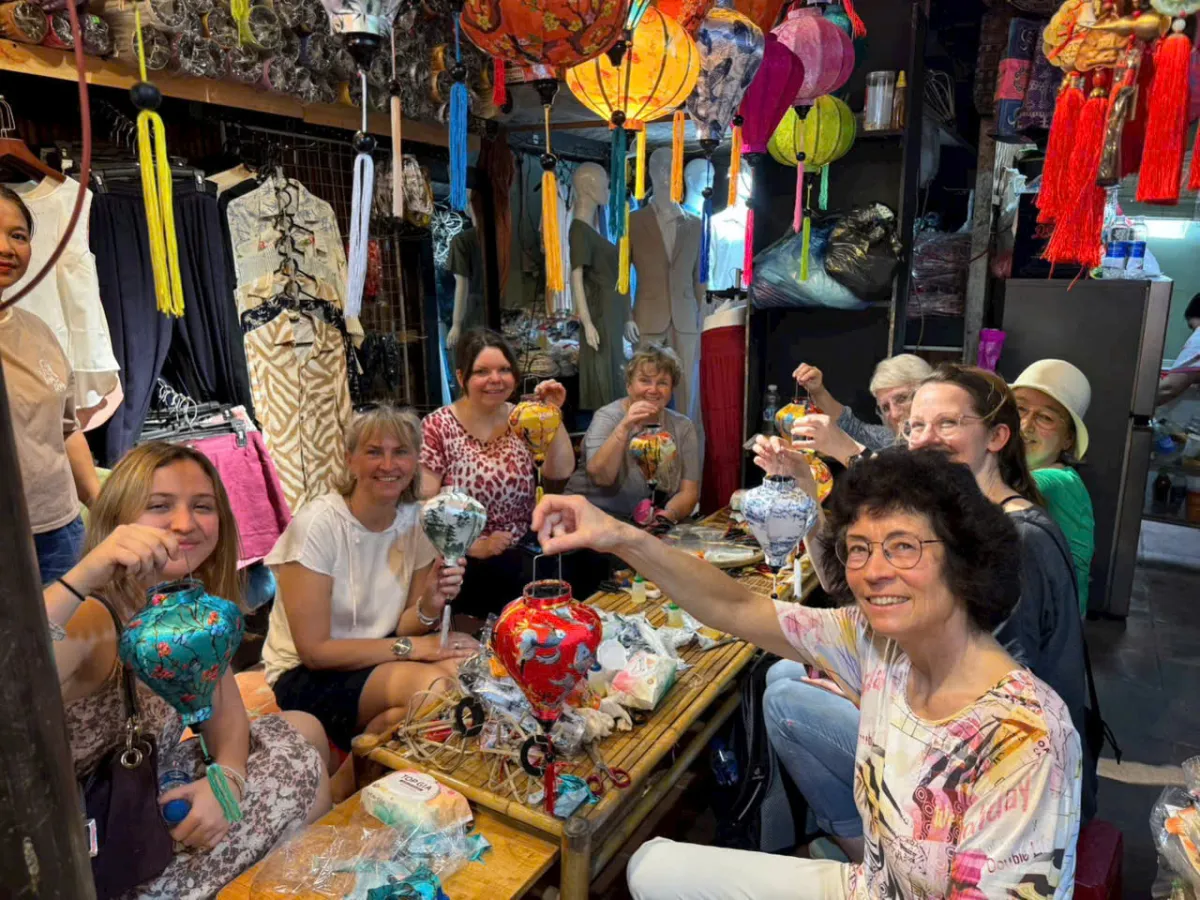
A Hoi An lantern-making class is a hands-on workshop where you build your own silk lantern — the glowing, teardrop-shaped lantern that has become the symbol of Hoi An Ancient Town. In one relaxed session you bend the bamboo frame, stretch premium silk over it, and walk out holding a lantern you made with your own hands. It is one of the most loved things to do in Hoi An, and unlike a souvenir bought off a shelf, it comes with a story and a skill. This guide explains exactly how the class works, how a lantern is made, what to expect, and how to get the most out of your time in Hoi An.
What a Hoi An lantern-making class actually is
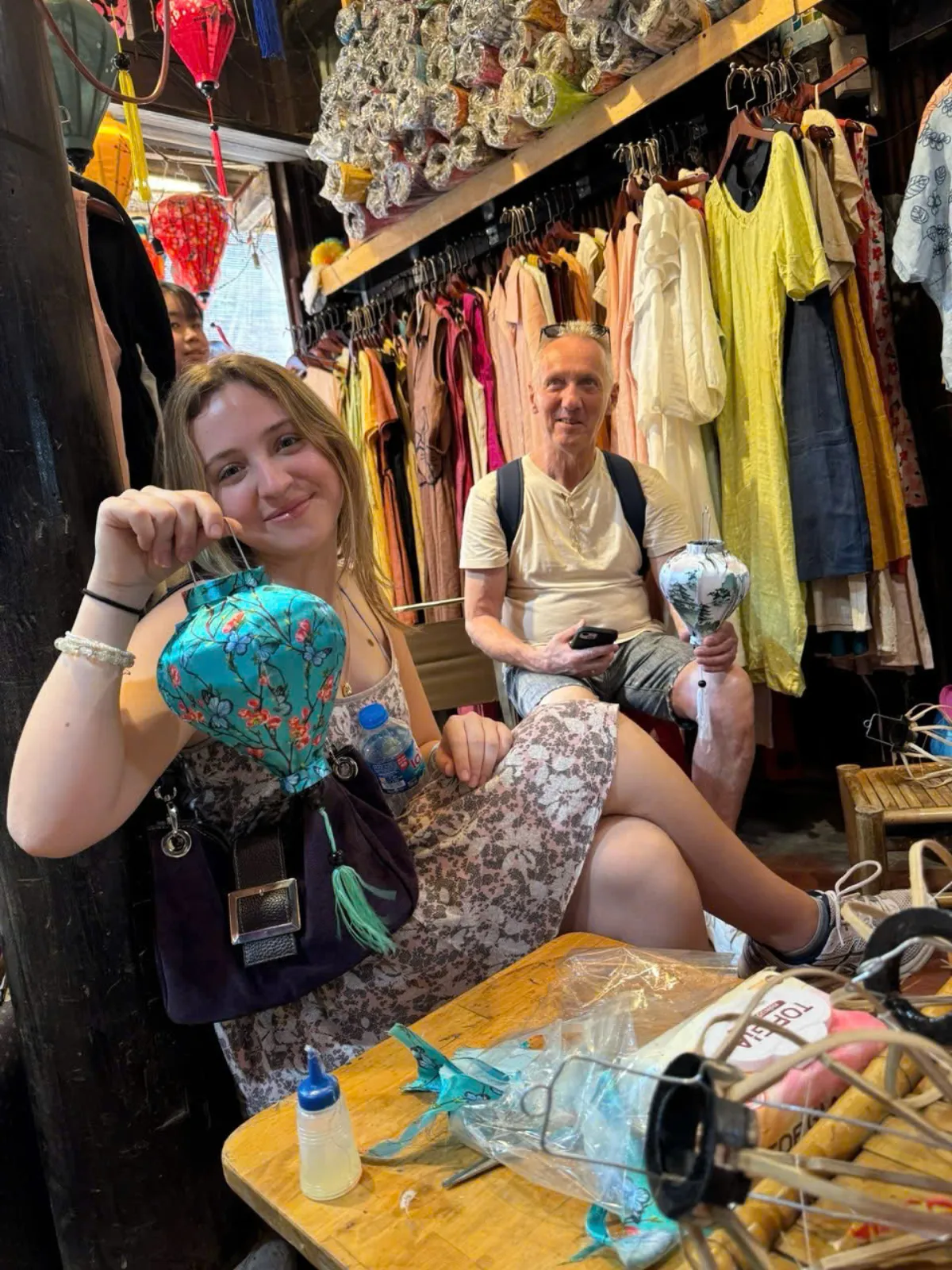
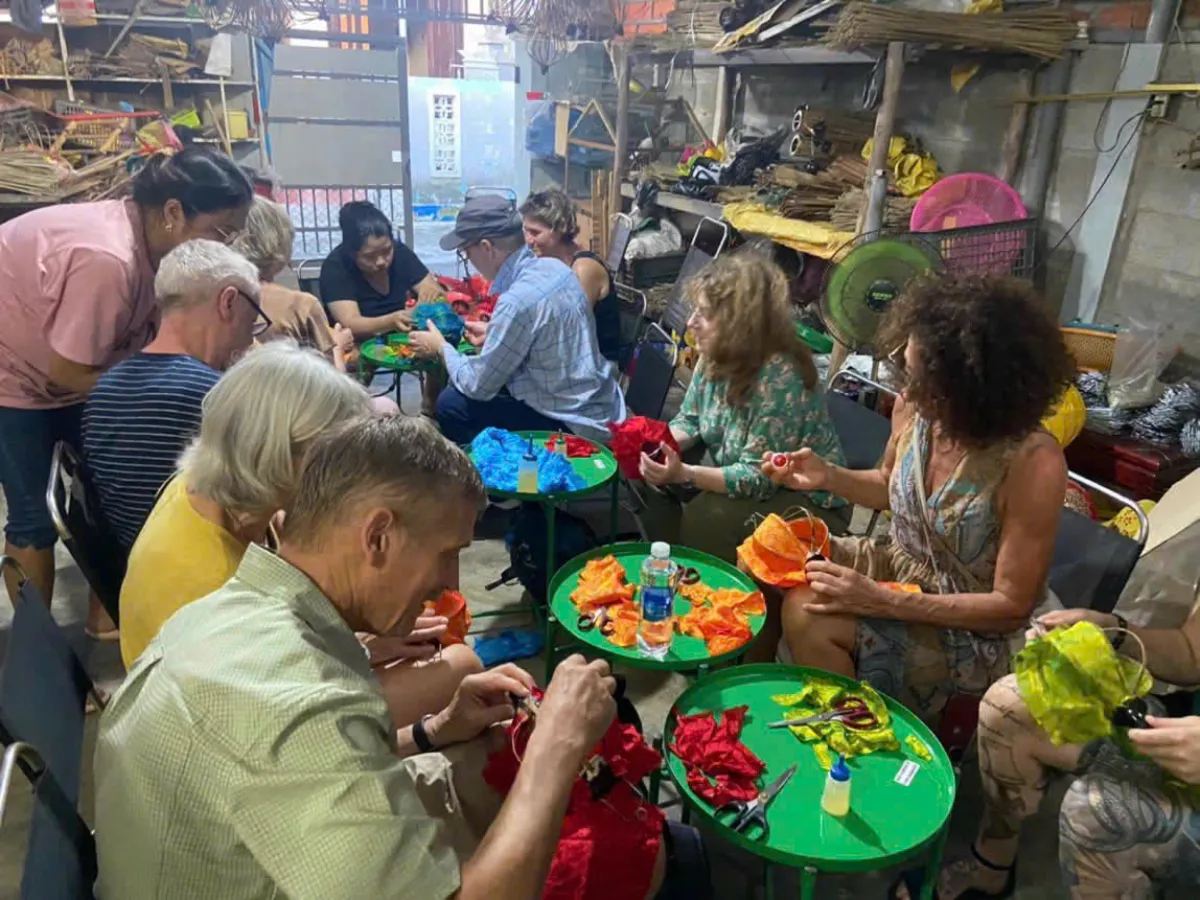
At its heart, the class is simple: an artisan sits with you, hands you a folded bamboo frame and a piece of coloured silk, and teaches you — step by step — how the two become a lantern. There is no rush and no need for any craft experience. Most guests finish in around one to two hours, at their own pace, and leave with a finished silk lantern plus a genuine sense of how these objects are made.
What makes it special is the setting. Hoi An has been a lantern town for centuries. When you walk the Ancient Town at dusk and see thousands of lanterns switch on over the Thu Bon River, you are looking at a living craft — one that families here have practised for generations. A lantern-making class lets you step behind that glow for an hour and take part in it, rather than only photographing it. That is the difference between a nice photo and a memory you helped build.
We run our classes as a small, private experience with our Hoi An artisans, using 100% traditional Hoi An mulberry silk — the same fine silk that gives the town’s lanterns their glow. Because we keep groups personal, we include hotel pickup within Hoi An and confirm the exact meeting point with you on WhatsApp once your spot is booked, rather than sending crowds to a fixed address. You get real hands-on time, unhurried guidance in English, and a lantern that is genuinely yours.
- Price
- 400,000₫ making · 500,000₫ making + painting (per guest)
- Duration
- About 1–2 hours, flexible
- Open
- Every day, 9am – 6pm
- Location
- Hoi An Ancient Town (meeting point sent after booking)
- Hotel pickup
- Included within Hoi An
- Group size
- From 1 guest to a full group
- Ages
- All ages welcome
- Language
- English-speaking host
- Silk
- 100% traditional Hoi An mulberry silk
- Lantern size
- 10–40 cm, any shape & colour
- Payment
- Cash or bank transfer, on the day
- Cancellation
- Free up to 24 hours before
- You take home
- The lantern you make (folds flat)
- Book via
- WhatsApp +84 905 151 701
In one sentence: you spend a calm hour with a Hoi An artisan, build a real bamboo-and-silk lantern with your own hands, and take it home — from 400,000₫ per guest, everything included.
Which class to choose: making, or making + painting
There are two classes, and the right one depends on how creative you want to get. Both include the bamboo frame, premium silk, all tools, step-by-step guidance and the finished lantern to take home. The only difference is whether you also hand-paint your own design.
The Lantern Making Class (400,000₫ per guest) is the classic experience: you choose your silk and build the lantern from frame to finish. It is perfect if you want the authentic craft in the shortest, most focused form — ideal for a busy travel day, for younger children, or for anyone who prefers ready-patterned silk over painting from scratch.
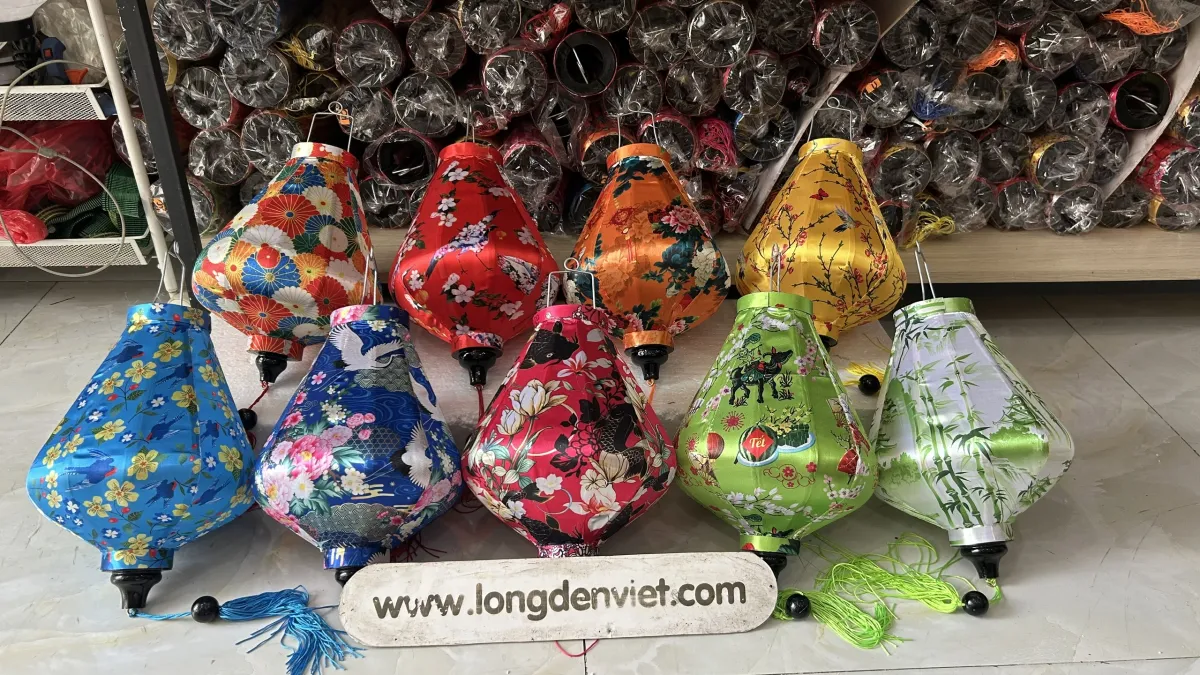
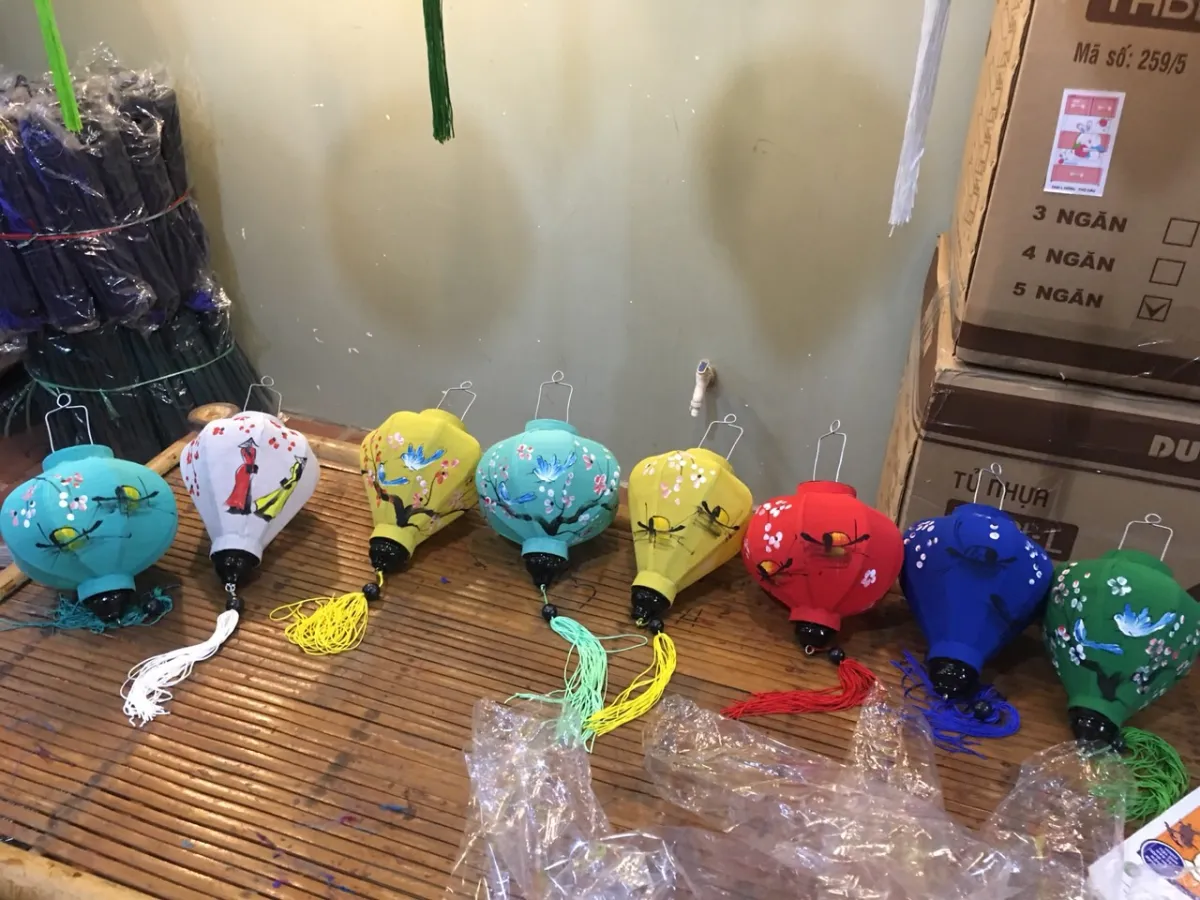
The Lantern Making + Painting Class (500,000₫ per guest) adds a painting stage. After building the lantern you decorate it by hand — flowers, koi fish, a landscape, your name, or a free design of your own. It takes a little longer and it is the one most guests remember, because the lantern that comes home is completely one of a kind. If you are travelling as a couple, on a special occasion, or you simply love making things, this is the one to pick.
| Lantern Making | Making + Painting | |
|---|---|---|
| Price per guest | 400,000₫ | 500,000₫ |
| Build your own bamboo-and-silk lantern | Yes | Yes |
| Choose your silk colour & pattern | Yes | Yes |
| Hand-paint your own design | — | Yes |
| All tools & materials included | Yes | Yes |
| Keep the lantern you make | Yes | Yes |
| Best for | Quick, focused, kids | Couples, keepsakes, creatives |
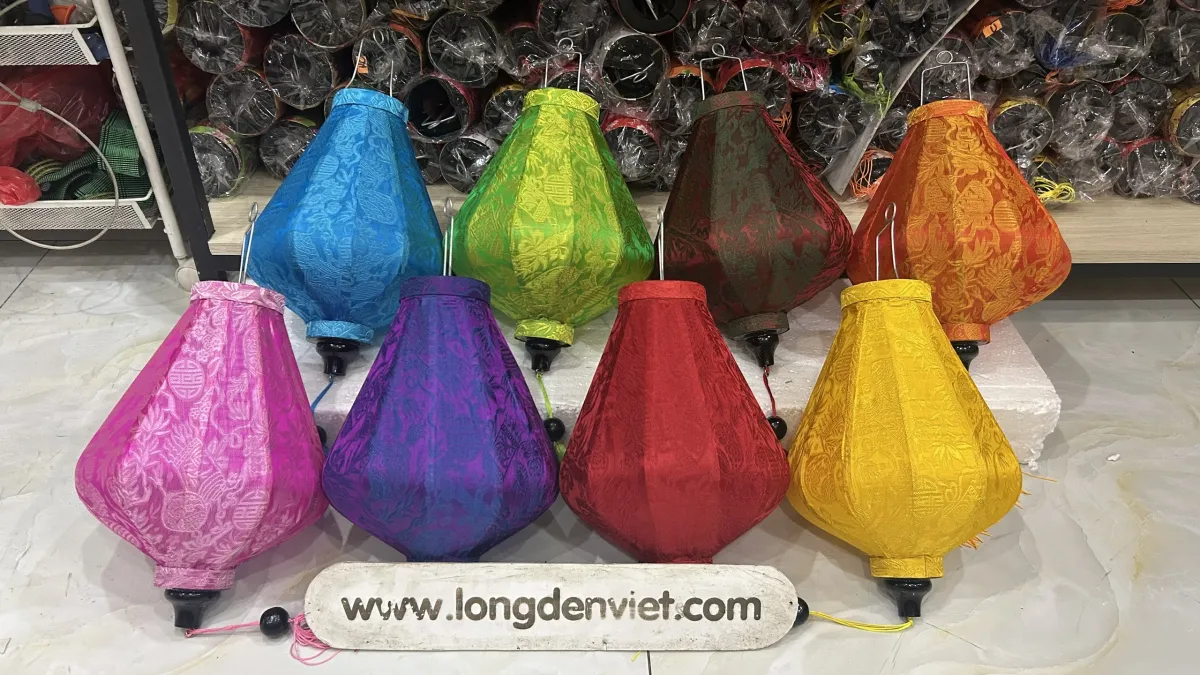
Whichever class you choose, you make a full-size lantern between about 10 and 40 cm, in any classic Hoi An shape and any colour you like — all in 100% traditional mulberry silk. Bigger is not better; a 20–25 cm lantern is the most popular travel size because it looks generous at home yet folds down small.
How a Hoi An silk lantern is made — step by step
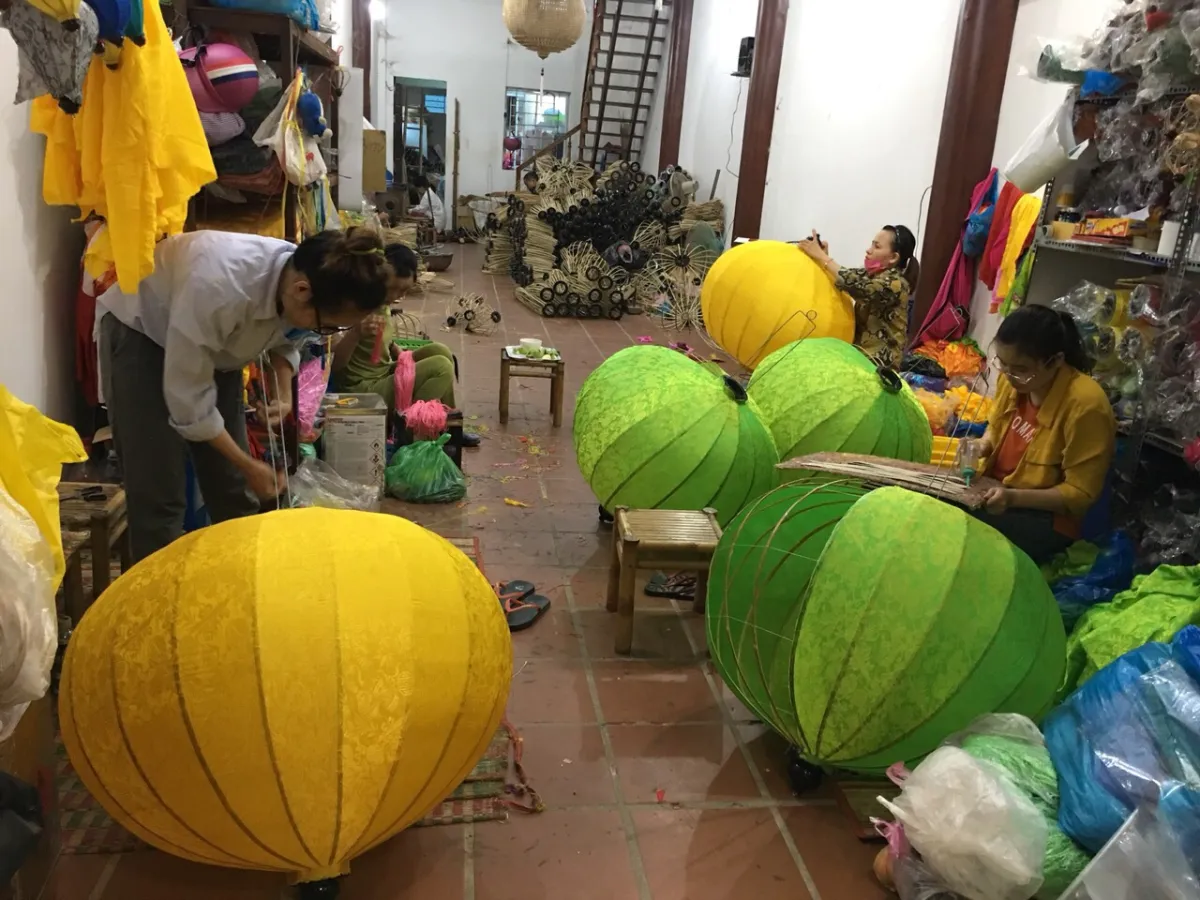
Understanding the craft makes the class far more rewarding, so here is what is actually happening under your hands. A real Hoi An lantern is not glued paper — it is a bamboo skeleton wrapped in stretched silk, and every step has a reason.
- 1
The bamboo is prepared first
Long before your class, bamboo is soaked and cured so it will not crack or attract insects, then split into slender, flexible ribs. Good aged bamboo is what lets a lantern fold flat and spring back into shape for years.
- 2
You shape the frame
You take the thin ribs and bend them into the lantern’s silhouette — the round "garlic" bulb, a diamond, or a classic globe. The ribs are fixed to two small wooden or bamboo rings at the top and bottom, which is the clever part: those rings let the whole lantern collapse like an umbrella.
- 3
You choose your mulberry silk
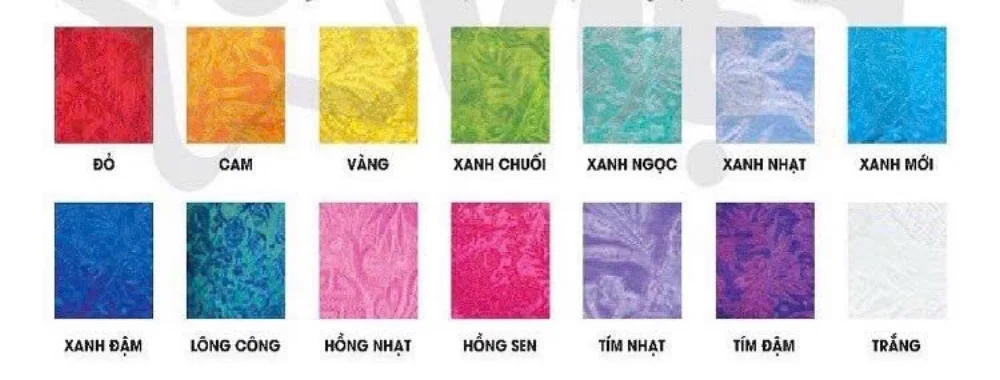
Next you pick your fabric from a wide range of colours and patterns — all 100% traditional Hoi An mulberry silk. Real mulberry silk is the difference: light passes through it softly and the woven pattern seems to float inside the glow, where cheap poly fabric looks flat and lifeless.
- 4
You wrap and glue, panel by panel
This is the meditative part. You stretch the silk over each panel of the frame and fix it with a gentle glue, smoothing out every wrinkle so the finished surface is taut and even. Your artisan works right beside you and helps with the tricky curves.
- 5
You trim and finish the edges
The excess fabric is trimmed and the seams tidied so the panels meet cleanly along each bamboo rib. This is what separates a neat lantern from a rushed one.
- 6
You paint it (painting class only)
If you chose the painting class, now you decorate. Using fabric-safe paints you add flowers, fish, a scene, or your own design — freehand or guided. This is where the lantern becomes unmistakably yours.
- 7
The tassel and hook go on
Finally a tassel is tied beneath and a small hook fitted on top, so your lantern is ready to hang the moment you get home.
None of this requires talent — it requires a good teacher, and that is exactly what the class gives you. By the end you will understand why a handmade Hoi An lantern costs more than a factory one, and why it lasts.
What to expect on the day
Expect a calm, welcoming hour rather than a formal lesson. The class is open every day from 9am to 6pm, and we include hotel pickup within Hoi An. Once your booking is confirmed on WhatsApp, we tell you the pickup time and send you the exact meeting point. You arrive, meet your host, and sit down at a work table already laid out with bamboo, silk and tools. From there the pace is yours.
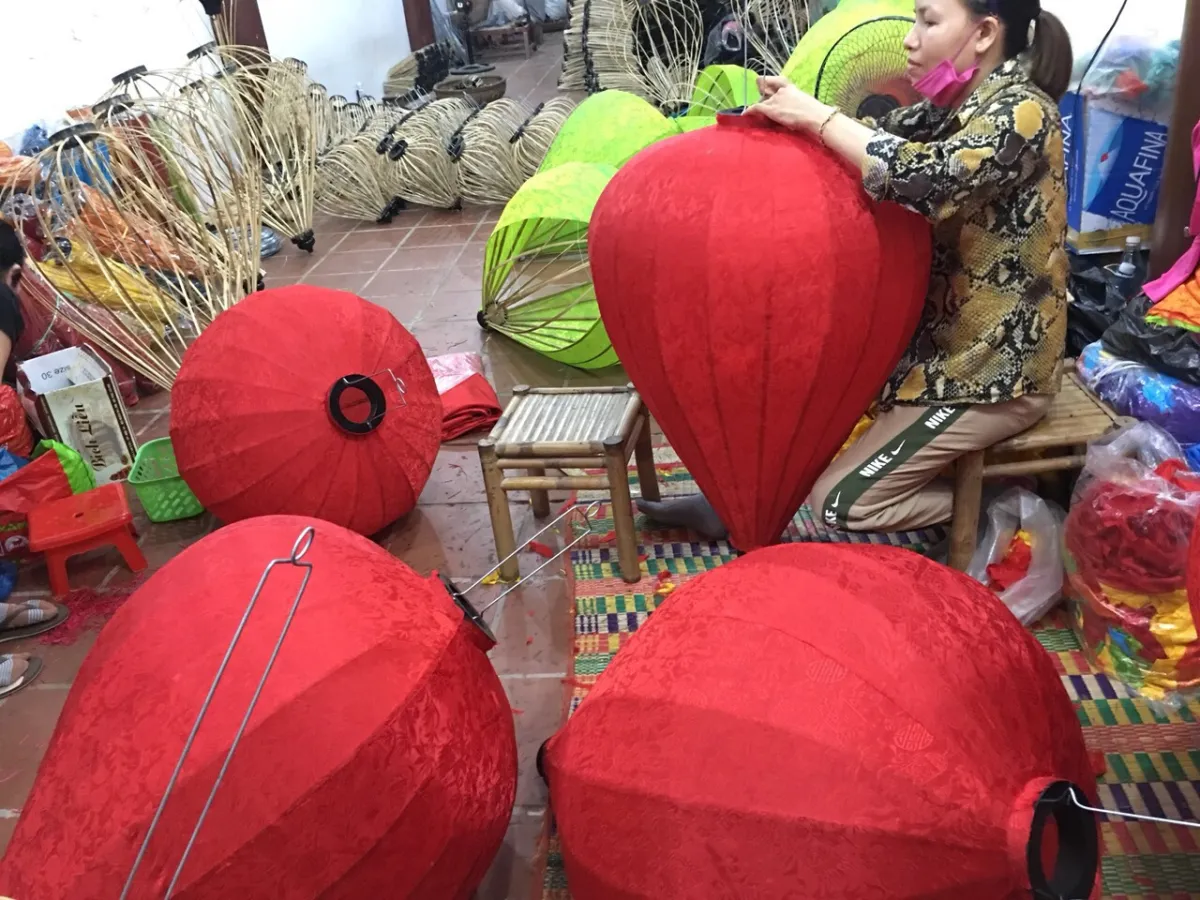
A typical session runs about one to two hours depending on the class and how much time you want to spend painting. There is no conveyor belt and no pressure to hurry — if you want to linger over your design, that is fine; if you have a boat trip to catch, your host will keep you on track. Timing is flexible, so tell us your preferred time when you book and we will do our best to match it.
You do not need to bring anything. Aprons, glue, brushes, frames and fabric are all provided. Wear something comfortable that you would not mind getting a small dab of glue on, and simply come with a little curiosity. If you want the finished lantern for a photo in the Ancient Town afterwards, plan the class for late afternoon — you will walk straight out into the lantern-lit streets.
Is it right for families, couples and solo travellers?
Yes — the class suits almost everyone, which is a big part of why it is so popular. Here is how it tends to work for different travellers.
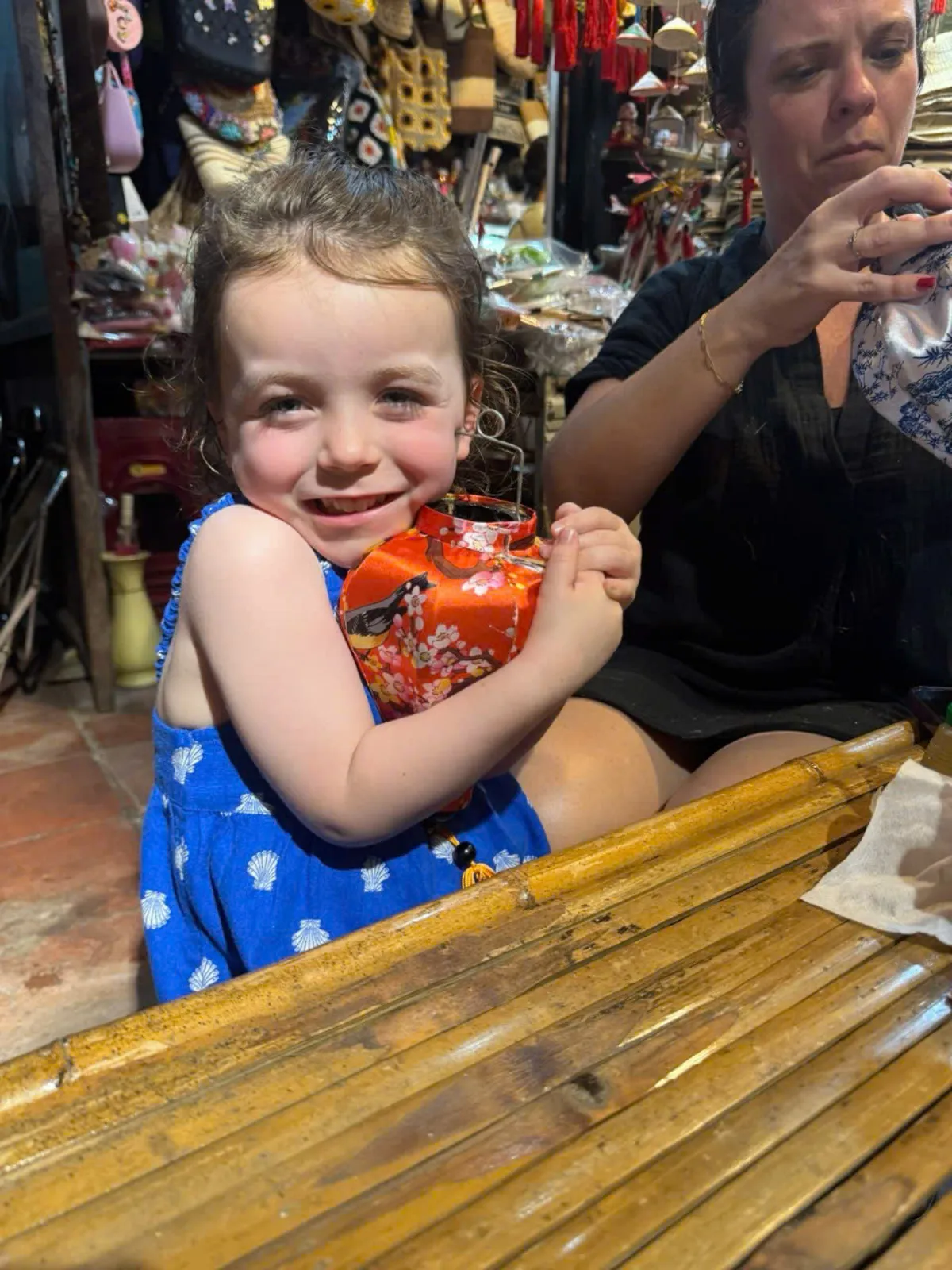
Families with children. This is a genuinely family-friendly activity. Children love choosing bright silk and seeing a real lantern take shape, and younger kids can make one with a little help from a parent or the artisan. It is screen-free, hands-on and produces a souvenir they are proud of.
Couples. Building a lantern together is a quietly romantic hour, especially the painting class — many couples paint each other’s names or a shared design and hang the pair at home. It is one of the more memorable things to do in Hoi An as a couple, away from the crowds.
Solo travellers. The class is relaxed and social, so going alone is easy and rewarding. You get one-to-one attention from your host and a beautiful thing to carry home from your trip.
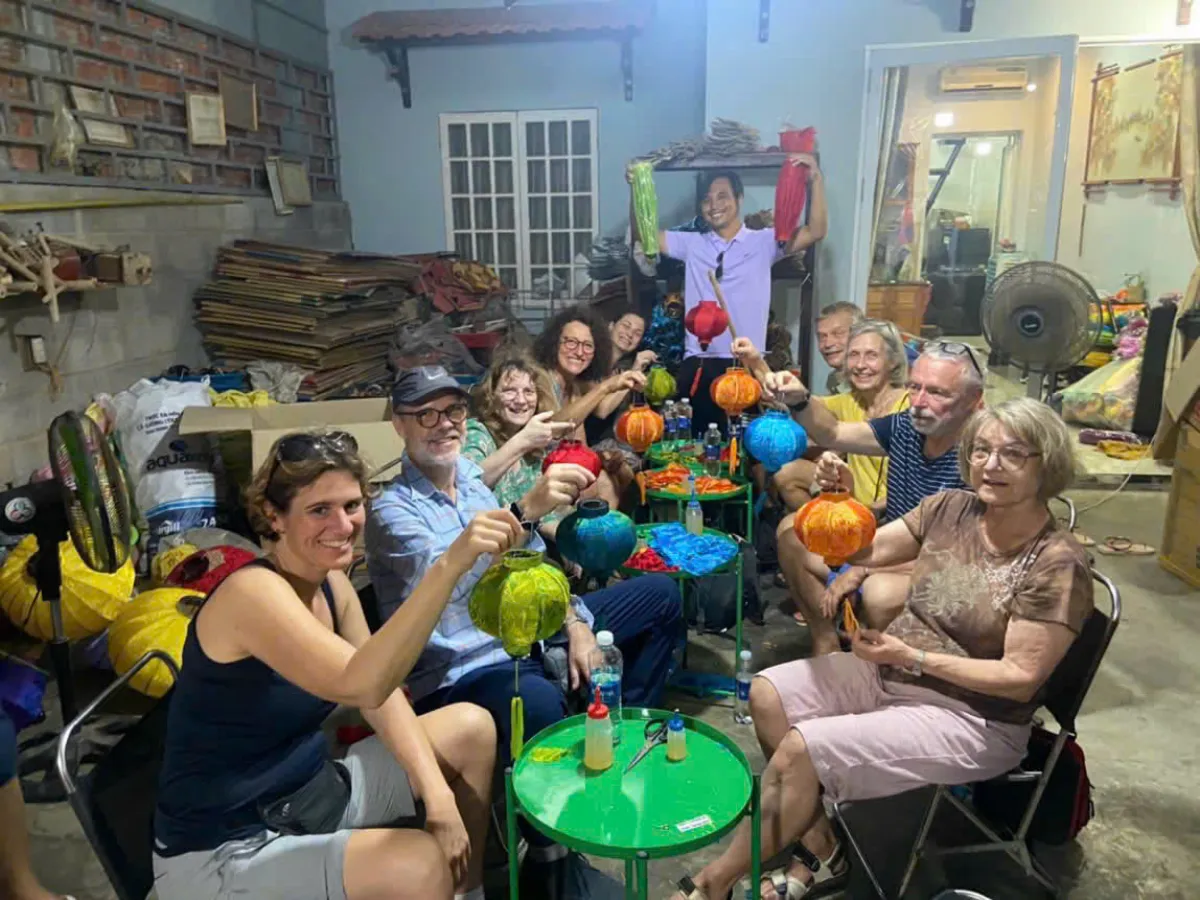
Groups, friends and team-building. Small groups work wonderfully, and we are happy to arrange private sessions for larger parties, families travelling together, or company team-building. Message us on WhatsApp with your numbers and we will set it up.
Your lantern: keeping it, folding it and shipping it home
Yes, you keep the lantern you make — and getting it home is easier than it looks. The single most useful thing to know about a Hoi An silk lantern is that it collapses completely flat. The bamboo frame folds down like an umbrella into a slim disc a few centimetres thick, so it slides into a suitcase or even a carry-on without being crushed. Your host will show you how to fold and pack it before you leave.
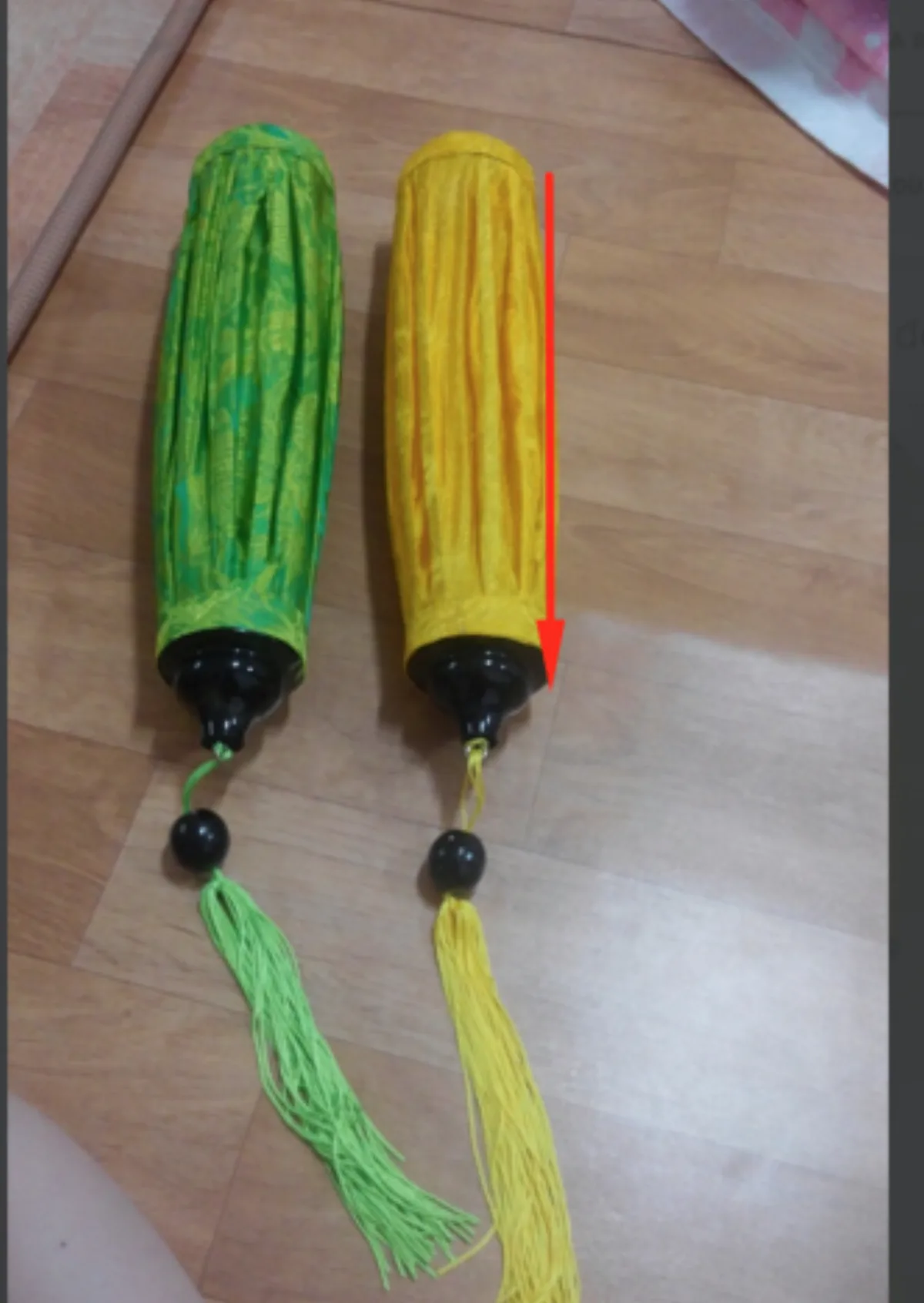
Once home, opening it out again takes a second, and a small hook lets you hang it anywhere — a window, a balcony, a reading nook. A well-made silk lantern holds its shape and colour for years, which is why it makes such a lasting reminder of your trip.
If you would rather not carry it, or you want more than the one you made, we can also ship lanterns to your country. As a Vietnamese lantern house we make lanterns to order and send them worldwide from Ho Chi Minh City. Just ask your host or message us on WhatsApp and we will arrange it.
The history and meaning of Hoi An lanterns
Hoi An’s lanterns are not just decoration — they carry the town’s history. From roughly the 16th and 17th centuries, Hoi An was one of Southeast Asia’s busiest trading ports, where Vietnamese, Chinese and Japanese merchants met and settled. The silk lantern arrived and evolved in that crossroads of cultures, hung outside homes and shops as a sign of welcome, prosperity and good fortune. Today it is the emblem of the town and a protected part of its UNESCO-listed heritage.
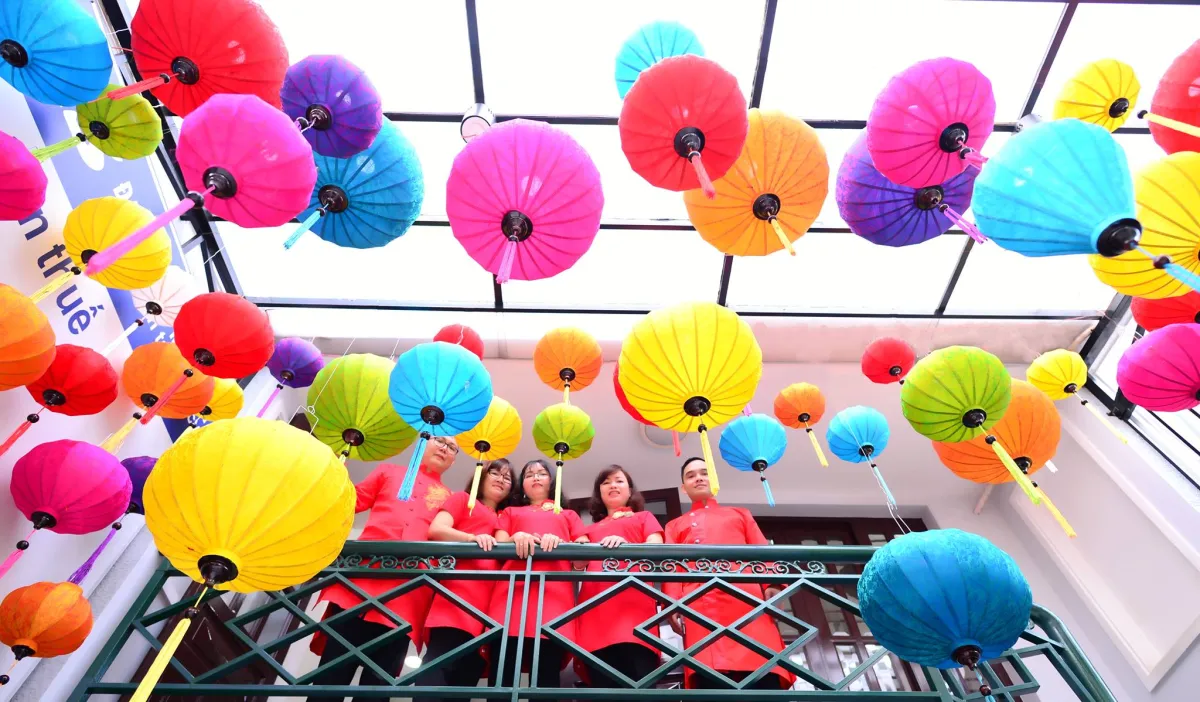
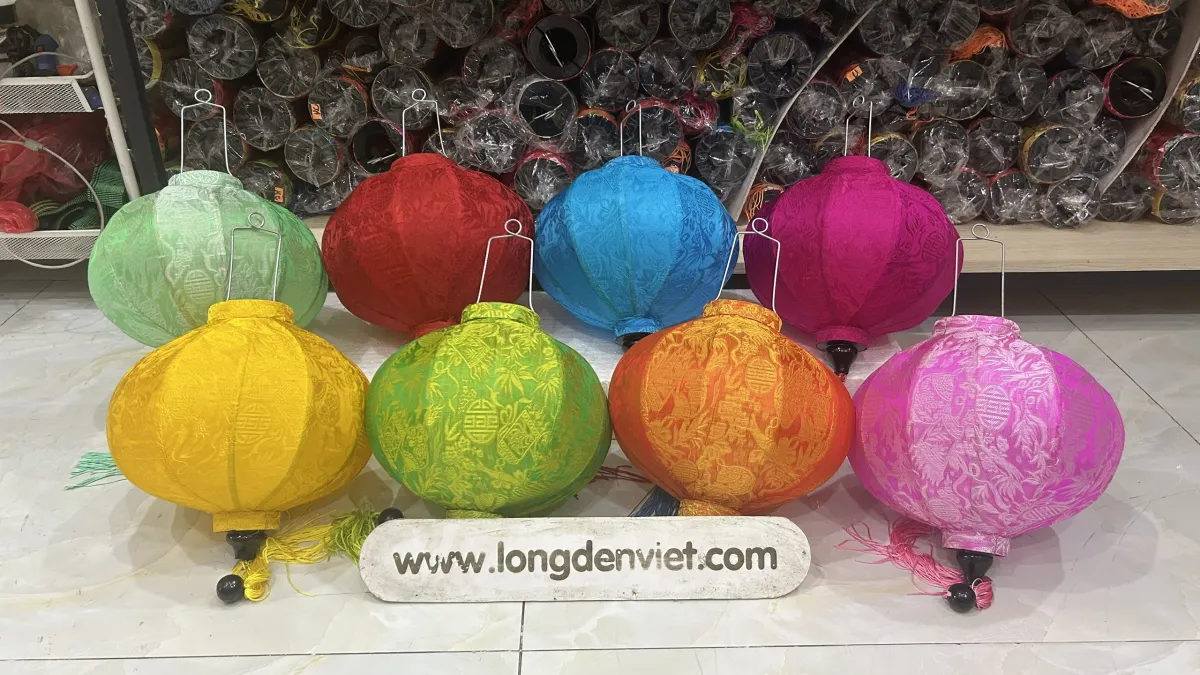
Colour carries meaning, and it is worth choosing yours with that in mind. In Vietnamese tradition red signals luck, celebration and vitality; gold and yellow stand for prosperity and warmth; white suggests purity and calm; blue and green evoke peace, growth and good health; and pink is associated with love and happiness. When you pick your silk in the class, you are quietly choosing what you want the lantern to bring into your home.
The lanterns are at their most magical during the Hoi An Full Moon Lantern Festival, held on the 14th day of each lunar month. On that night the town switches off its electric lights, the Ancient Town glows only by lantern, and visitors float small paper lanterns down the Thu Bon River while making a wish. If your trip lines up with the full moon, book your class earlier in the day and carry your own lantern into the festival that evening — it is hard to beat.
| Colour | Traditional meaning |
|---|---|
| Red | Luck, celebration, energy |
| Gold / yellow | Prosperity, warmth, wealth |
| White | Purity, calm, clarity |
| Blue / green | Peace, growth, good health |
| Pink | Love, happiness |
Silk vs paper lanterns — what you actually make
In the class you make a silk lantern, and it helps to know why that matters. Around Hoi An you will see two very different things sold under the word "lantern." One is the flat paper lantern floated on the river at the festival — beautiful, but disposable. The other is the framed silk lantern that hangs outside every shop — a lasting object built on a bamboo skeleton. Our class makes the second kind.
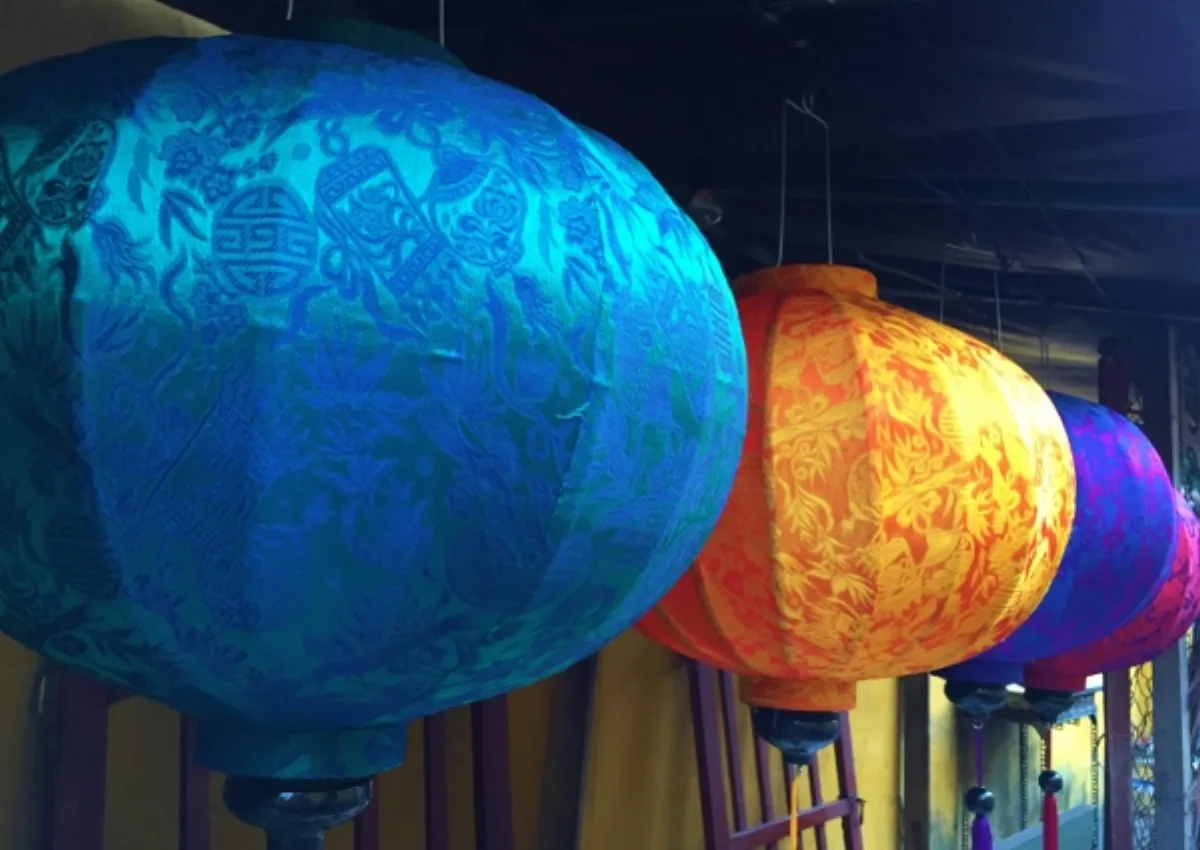
The difference is in the light and the life span. Silk diffuses a warm, painterly glow and the woven pattern seems to hover inside it, where paper looks flat and tears easily. A silk lantern on a cured bamboo frame folds flat, travels safely and lasts for years; a paper river lantern is meant for a single wish on a single night. Both are lovely — but only one is worth carrying home, and that is the one you will build.
| Silk lantern (what you make) | Paper river lantern | |
|---|---|---|
| Structure | Bamboo frame + stretched silk | Flat folded paper |
| Light | Soft, warm, patterned glow | Simple candle glow |
| Lasts | Years | One evening |
| Travels home | Folds flat, packs safely | Not designed to keep |
| You make it in the class | Yes | No |
11 tips for the best lantern-making experience
- Book ahead in peak season. Hoi An is busiest from roughly February to August and around holidays; message us early to lock in your preferred day and time.
- Go in the late afternoon. Finish as the Ancient Town lights up and walk straight out into the lantern-lit streets with your lantern for photos.
- Pick the painting class for a keepsake. If you want the most memorable version and a truly one-of-a-kind lantern, choose making + painting.
- Choose your silk colour with intention. Reds for luck, gold for prosperity, blue and green for calm — it makes the finished lantern more personal.
- Bring the kids. It is one of the few Hoi An activities that genuinely works for all ages and keeps children happily busy.
- Wear comfortable clothes. A stray dab of glue is part of the fun; nothing precious is needed.
- Ask about a private session. Couples, families and groups can request a private class — just tell us your numbers.
- Plan around the full moon. If your dates include the Full Moon Lantern Festival, do the class that day and join the festival at night.
- Leave time to enjoy it. An hour or two unhurried beats a rushed slot; tell us your schedule and we will find a time that fits.
- Learn how to fold it before you leave. Your host will show you — it is the trick to getting the lantern home undamaged.
- Combine it with the rest of Hoi An. Pair the class with a Thu Bon boat ride, a lantern release on the river, the Japanese Covered Bridge, tailor shopping and the night market for a perfect day.
How to get to Hoi An
Hoi An sits on Vietnam’s central coast and is easiest to reach through Da Nang. The nearest airport is Da Nang International Airport (DAD), around 30 to 45 minutes away by car. Most visitors take a private transfer, taxi or ride-hailing car from the airport or from Da Nang city directly to their Hoi An hotel; there are also frequent buses along the coast road past the beaches.
Once you are in Hoi An, the Ancient Town is compact and best explored on foot or by bicycle, and cars are limited in the old streets. When you book your class, tell us the name of your hotel and we will confirm the meeting point and the simplest way to reach it on WhatsApp, so you never have to guess.
Prefer to buy a lantern instead of making one?
Not everyone has an afternoon free — and that is fine. You do not need to make a lantern to own a real one. As a Vietnamese lantern house we produce over 150 designs in silk, bamboo and rattan for homes, restaurants, weddings and hotels, and we ship them worldwide, folded flat, from Ho Chi Minh City.
If you are in Ho Chi Minh City, our retail showroom at 262/1/93 Phan Anh, Phu Thanh Ward, Tan Phu District is open for lantern shopping and pickup — though please note the showroom is retail only, as the lantern-making classes run in Hoi An. Browse the Hoi An lantern collection or read how international shipping works, and message us any time on WhatsApp.
Ready to make your own Hoi An lantern?
Small private groups, an English-speaking host, and a silk lantern you take home. Send us your date and group size — we confirm everything on WhatsApp.